

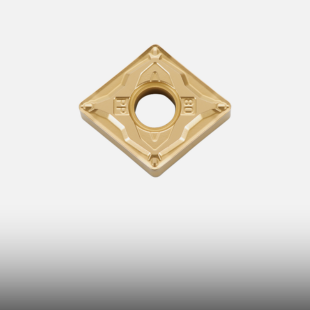
Corte suave y continuo. Mayor velocidad. Mayor productividad.
¿Por qué elegir cermet?
Descubra las ventajas del mecanizado con este material.
Cermet: el alternativo rentable al carburo
El cermet es un material de corte avanzado y una alternativa rentable a las plaquitas de carburo convencionales. Combina la dureza y la resistencia al desgaste de la cerámica con la tenacidad del carburo, lo que lo hace ideal para el mecanizado de precisión de aceros, especialmente cuando se requiere una alta calidad superficial.
Cuando el carburo alcanza sus límites, el cermet ofrece una alternativa eficaz y económica. Su excelente resistencia al desgaste y su elevada estabilidad química ayudan a prolongar la vida útil de la herramienta y a reducir el consumo de herramientas, contribuyendo así a disminuir los costes totales de mecanizado. Al mismo tiempo, el cermet reduce la rugosidad superficial, evita la formación de filo recrecido y produce acabados lisos con aspecto de espejo.
Con los cermets recubiertos mediante CVD, es posible alcanzar velocidades de corte de hasta 800 m/min manteniendo un rendimiento estable y una larga vida útil de la herramienta. Al combinar una alta productividad, una calidad superficial superior y menores costes de herramienta, el cermet ayuda a los fabricantes a mejorar la precisión, la eficiencia y la rentabilidad global cuando el carburo ya no es suficiente.
Aspectos destacados
- Alternativa rentable a los insertos de carburo convencionales
- Combina una resistencia al desgaste similar a la de la cerámica con la tenacidad del carburo
- El cermet permite velocidades de corte más altas que el carburo
- Proporciona un mecanizado fiable y estable, incluso en cortes interrumpidos
- Excelente versatilidad tanto para desbaste medio como para acabado
- Muy adecuado para aplicaciones de ranurado y roscado
Explore nuestra gama de productos de cermet
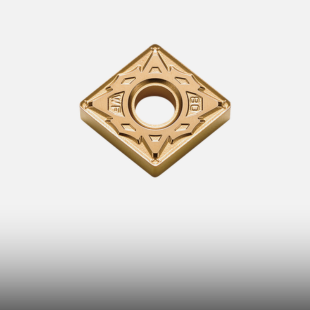
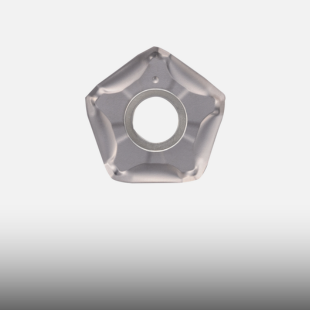
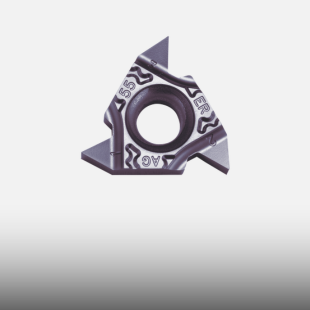
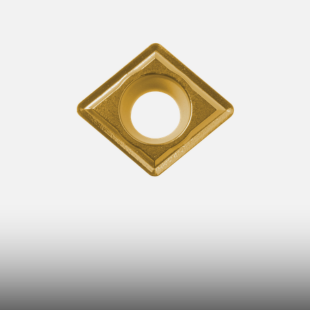
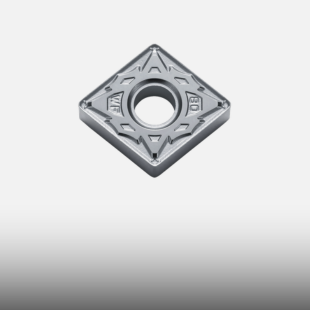
¿Dónde encaja el cermet? Cinco aplicaciones, cinco calidades
High Speed Machining with CVD-Coated Cermet
Experience the performance of the CCX CVD-coated cermet in high-speed finish turning of C45 steel. Its low affinity with steel minimizes built-up edge formation, delivering a stable cutting process and an excellent surface finish.
Cutting Data
- Vc: 440 m/min
- f: 0.15 mm/rev
- ap: 0.3 mm
CCX Cermet – the cost-effective alternative for high-quality finishing.

What Makes Cermet Unique?
Cermet is a composite cutting material that combines a ceramic hard phase with a metallic binder. The hard phase consists primarily of titanium carbide (TiC) and titanium carbonitride (TiCN), which provide excellent hardness and wear resistance.
Nickel is used as the main binder due to its strong affinity with the ceramic constituents, while small amounts of cobalt are added to improve bond strength and overall toughness.
By combining the hardness and wear resistance of the ceramic phase with the toughness and fracture strength provided by the metallic binder, cermet offers an excellent balance of performance, particularly in finishing applications.

Excellent Surface Finish
Cermet is known for producing a smooth and glossy surface finish. Compared with cemented carbide, cermet has a lower tendency to form a built-up edge (BUE), where workpiece material adheres to the cutting edge during machining.
Built-up edge can cause micro-scratches on the machined surface, resulting in a matt appearance. By reducing this effect, cermet delivers a cleaner cutting action and a significantly smoother, glossier surface, making it an excellent choice for finishing operations where surface quality is critical.
Built-Up Edge vs. Surface Quality
As shown in the video, conventional carbide can generate built-up edge as material accumulates on the cutting edge. This built-up material may cause micro-scratches on the workpiece, leading to a matte surface appearance. With reduced built-up edge, cermet provides a cleaner cutting action and a superior surface finish.
Not sure if cermet is the right choice?
Tell us about your operation, workpiece material, and current tooling. We’ll assess your application and tell you honestly whether cermet is the right solution. If it is, we’ll recommend the optimal grade and cutting parameters.